- Home
- Why Choose Providence
- Shelter Gallery
- Testimonials
- About Us
- Contact Us
- FAQ
- Shelter Pricing
- Specs/Warranty
- Finance Calculator
- Tornado Ratings
- Tornado Facts
- Privacy Policy
- Tennessee Cities
- Bartlett Storm Shelters
- Chattanooga Storm Shelter
- Clarksville Storm Shelter
- Collierville Shelters
- Franklin Storm Shelters
- Hendersonville Shelters
- Jackson Storm Shelters
- Johnson City Shelters
- Kingsport Storm Shelters
- Knoxville Storm Shelters
- Memphis Storm Shelters
- Murfreesboro Shelters
- Nashville Storm Shelters
- Smyrna Storm Shelters
- Spring Hill Shelters
- Tennessee Tornado Guide

THE
Complete Tornado Safety & Storm Shelter Guide for Tennessee
By Tate Bingham
Before the Warning Ever Comes
A tornado does not begin when the siren sounds. It begins in the moment you realize you are not as prepared as you thought.
In Tennessee, that moment rarely arrives in calm daylight. It comes at night, in heavy rain, with limited visibility, and with only seconds to decide what to do next. Most families believe they have a plan. They assume they will move to a hallway, gather everyone together, and figure it out when it matters. But when the warning hits, those assumptions begin to break down. Questions surface immediately. Where exactly do we go? Is it strong enough? Can everyone get there in time? What happens if someone hesitates?
That moment is where most tornado plans fail. Not because people do not care, and not because they are unaware, but because the plan depends on thinking clearly in a moment that does not allow clear thinking. This guide exists to remove that uncertainty before it ever happens.
Introduction
How to Use This Tennessee Tornado Guide
This guide is designed as a central hub for Tennessee tornado safety. Instead of giving you one narrow answer, it connects the most important safety topics, storm shelter decisions, and real-world planning strategies into one structured path. As you read, you will find clear direction on what to learn first, what mistakes to avoid, and where to go next depending on your situation.
This guide is designed to help Tennessee homeowners move from general concern to a real, usable safety decision. If you are early in your research, start with the sections on why Tennessee tornadoes are uniquely dangerous, where family tornado plans fail, and why awareness is not protection. If you are already comparing shelter options, focus next on placement, access, response time, above-ground versus underground use, and the shelter decision framework. If your main concern is your family, make sure you also read the sections on children, seniors, pets, nighttime warnings, and what to do if you do not yet own a storm shelter.
Some sections are meant to help you understand risk. Others are meant to help you take action. Together, they form a complete system for thinking through tornado safety in Tennessee, not just reacting to it.
The purpose of this guide is not just to explain tornado risk. It is to help you find the exact questions, mistakes, and decisions that matter most so you can keep moving into the right supporting articles on this site. In other words, this is not just a long article. It is the central map for making a smarter tornado safety decision in Tennessee.
Tornado safety in Tennessee is not something you think about once and check off your list. It is not something you prepare for halfway. It is not something that gives you a second chance if you get it wrong.
Tennessee storms are different. They do not always give you clear skies, wide visibility, or time to process what is happening. They often come fast, wrapped in rain, hidden behind darkness, and moving through terrain that blocks your ability to see what is actually coming. Trees, hills, neighborhoods, and buildings all work against your ability to make a quick, confident decision.
That is where most families get into trouble.
It is not because they do not care. It is not because they are unaware. It is because their plan depends on thinking clearly during a moment when clear thinking is the hardest thing to do.
That is why many homeowners begin their research by studying the best storm shelters in Tennessee for tornado protection and understanding why storm shelters matter so much in Tennessee. They are trying to answer one hard question: what actually protects a family when there is little time to think?
The biggest mistake people make is assuming the problem begins when the warning arrives. It does not. The problem starts much earlier, when a family decides to rely on general awareness, vague hallway plans, or outdated myths that sound comforting but fall apart when weather turns violent. The strongest protection is not panic in the moment. It is clarity before the moment. It is knowing what kind of storm behavior Tennessee produces, understanding how family response actually breaks down under pressure, and choosing a shelter system that works in real life, not just in theory.
This guide is written to pull together the most important tornado safety, storm shelter, safe room, warning response, buying, planning, and family-readiness ideas for Tennessee homeowners. It is designed to help readers move from scattered concern to structured confidence. Along the way, it points to focused reading on topics such as Tennessee tornado safety and storm shelter investing, Tennessee’s severe weather challenges, and protecting families from tornadoes with Tennessee storm shelters. The goal is simple: help Tennessee families stop guessing and start planning around what really works.
For most Tennessee homeowners, the best tornado safety plan is a practical one built around fast access, simple movement, and real physical protection. That usually means a storm shelter or safe room that is easy to reach, easy to enter, and easy for the whole household to use under pressure. Interior rooms can help in a limited way, but they do not replace a tested shelter strategy. The strongest plan is the one that removes hesitation, shortens response time, and gives every member of the household a clear place to go when seconds matter.
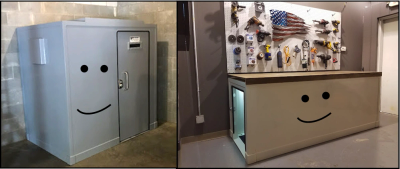
What You’ll Learn in This Guide
• Why tornadoes in Tennessee behave differently
• Where most family safety plans fail under pressure
• What actually works when seconds matter
• How storm shelters compare to interior rooms
• What experts say about real tornado protection
• How to choose the right shelter for your home
• What mistakes homeowners regret most
• How to protect children, pets, and seniors
• What to do if you do not yet own a shelter
• How to make a confident, final decision
Key Takeaways
- Tennessee tornadoes can be rain-wrapped, nighttime events that are harder to see and harder to judge.
- The biggest danger is often delay, not lack of information.
- A real family tornado plan must include children, pets, seniors, and power-loss scenarios.
- Above-ground storm shelters often make more sense in real Tennessee conditions because they are faster to reach and easier to use.
- Shelter placement, sizing, and entry speed matter just as much as strength.
- The best shelter decisions are based on real-life use, not just brochure claims.
- A master plan should reduce fear, improve response, and create peace of mind long before the next warning.

Why Tennessee tornadoes are uniquely dangerous
Tennessee is not a place where tornado safety should be copied from a generic checklist and left there. The state has a mix of conditions that make storms harder to detect, harder to judge, and harder to survive without preparation. Many families begin with articles on Tennessee tornado safe havens and finding the right storm shelter, essential tornado preparedness in Tennessee, and Tennessee storm shelter options for homeowners because they quickly realize this is not just a weather issue. It is a local-risk issue.
One reason Tennessee is dangerous is visibility. In open terrain, some people imagine they will be able to see a storm coming and react from there. In Tennessee, that confidence is often misplaced. Trees, rolling terrain, neighborhoods, and heavy rain all work against the human instinct to verify danger with your own eyes. That is why storm behavior here often punishes hesitation. By the time a family is looking for visual proof, the time for smooth movement may already be gone.
Another problem is timing. Night tornadoes are especially dangerous because they hit when households are asleep, disoriented, and slower to respond. A phone alert at 2:00 a.m. does not feel like a calm daytime warning. It feels like confusion, noise, fear, and uncertainty all at once. That reality becomes even harder in homes without basements, which describes many Tennessee houses. In those homes, safety is not a built-in lower level. It is a choice the homeowner makes in advance.
To go deeper on this point, compare how modern tornadoes challenge old safety advice, what longtime residents know about Tennessee tornado reality, and why Tennessee homes increasingly need storm shelters as a regional necessity. The takeaway is not fear. The takeaway is realism. Tennessee storms often create shorter decision windows than families expect. A master tornado plan has to be built around that.
Tornado safety is not based on opinion. It is defined by tested engineering standards and decades of real-world storm analysis. The Federal Emergency Management Agency (FEMA) identifies properly constructed safe rooms as structures designed to provide near-absolute protection during extreme wind events. An ordinary closet or interior room is not the same as an engineered safe room built to recognized tornado-protection criteria. They are engineered systems built specifically to withstand the forces that destroy standard homes.
The ICC 500 standard developed by the International Code Council sets the benchmark for storm shelter design, including debris impact resistance, anchoring requirements, and door performance under extreme pressure. These standards are not theoretical. They are based on measurable failure points observed in actual storms.
Texas Tech National Wind Institute research has demonstrated the serious threat posed by wind-borne debris and the importance of debris-impact-resistant storm shelter construction.
The Insurance Institute for Business & Home Safety has reinforced these findings through full-scale structural testing. Properly engineered storm shelters are designed to remain intact even when the surrounding structure fails. This difference is not subtle. It is the difference between exposure and protection.

Where family tornado plans fail
A lot of families say they have a plan, but what they really have is a rough idea. They assume they will go somewhere inside, close a door, and hope for the best. That is not a real plan. A real plan answers exact questions. Where are we going? How long does it take to get there? What happens if the lights go out? What happens if a child freezes, a pet hides, or a parent moves slowly? Without those answers, a family does not have a plan. It has uncertainty wearing the costume of preparedness.
This is why many readers benefit from articles like why tornado safety plans fail without physical protection, how safe-room confidence changes family decisions, and why safe rooms become family anchors during severe weather. These topics matter because the biggest breakdown usually happens before impact, not during it. It happens in the pause between alert and action.
That pause gets longer when families depend too much on awareness. They hear the alert, but then they want more proof. They want to check radar, look outside, hear the siren again, or confirm whether the warning really applies to them. That behavior feels rational in the moment. In reality, it costs time. It is one reason tornado alerts versus tornado impact is such an important subject. The gap between “we know there is danger” and “we are protected from danger” is often where the real risk lives.
Another common failure point is assuming everyone in the household will move cleanly and quickly. That is rarely true. Children react emotionally. Pets move unpredictably. Adults sometimes argue, overthink, or waste time grabbing unnecessary items. If a plan has never been practiced, the warning becomes the first rehearsal, and that is a terrible time to discover what does not work. That is why serious families should understand how families actually behave during tornado emergencies and why tornado warning fatigue leads to delay. Knowledge is not enough. A family needs rhythm, not improvisation.
Across Tennessee, the need for practical tornado protection is not limited to one type of community. In growing areas like Nashville, Franklin, and Murfreesboro, rapid development means more families are living in homes without basements and relying on above-ground protection. In cities like Clarksville and Knoxville, terrain and dense neighborhoods reduce visibility during severe weather. And in larger metro areas like Memphis, fast-moving systems can impact large populations within minutes.
That same risk extends into communities such as Chattanooga, Hendersonville, Smyrna, Spring Hill, Columbia, Gallatin, Cookeville, Johnson City, Jackson, and Bartlett, where a mix of suburban growth, open land, and changing weather patterns can create unpredictable storm behavior. Whether a home sits in a dense neighborhood or a more rural setting, the reality is the same: tornado risk does not favor one location over another. Families across Tennessee need a solution that works where they live, not just in theory.

What a real tornado plan looks like
A real tornado plan is specific, repeatable, and realistic. It is not just a statement like “we will go to the hallway.” It is a system. It assigns movement, timing, and roles. It answers what happens when the warning arrives at night, when power goes out, when everyone is in different parts of the house, and when emotions run higher than anyone expected. For families ready to turn concern into action, the next best reading includes safe rooms for new construction before you pour concrete, from panic to procedure family tornado training, and the first 60 seconds of tornado response. Those topics push the family from general concern into practical readiness.
A real plan includes role clarity. One adult may gather children. Another may handle pets. Someone should already know how to open, secure, and use the shelter. If the plan depends on everybody deciding what to do in real time, it will create confusion. Confusion becomes delay. Delay becomes danger. The best plans remove decisions from the most stressful minute of the event.
A real plan also includes the whole household. That means seniors, pets, visitors, and anyone with limited mobility. Families should dig into easy-entry shelter strategies for seniors, pet planning beyond the people, and kids and sirens building calm with storm shelter drills. A family plan that works only for one healthy, fast-moving adult is not a family plan at all.
Finally, a real plan must match the shelter system itself. If the shelter is strong but too far away, too hard to enter, too small, or too difficult to open under pressure, then the family still has a weak plan. The best systems align protection with behavior. They make the safest move also the easiest move.
Why awareness is not protection
Awareness is important, but it is not enough. That sounds obvious, yet many homeowners still treat alerts, sirens, and weather apps like they are the main solution. They are not. They are tools. They tell you there is danger. They do not stop debris. They do not strengthen walls. They do not shorten the path to safety.
Related reading on this point includes why interior rooms fail during strong tornadoes, why tornado warnings fail but storm shelters do not, and why safe rooms outlast every other storm upgrade. Those ideas explain the central truth: awareness can begin the response, but only protection can finish it.
Families who depend on awareness alone are still left with hard questions during the event. Where exactly are we going? Is it strong enough? Will everyone fit? Can we reach it in time? Those questions create hesitation. A real shelter strategy answers them before the storm asks them.
This is especially important in Tennessee because awareness is more difficult to act on here. Storms may be rain-wrapped. They may be difficult to track by eye. They may arrive while the whole house is asleep. In those situations, awareness without protection turns into fear without control.
Awareness can start the response, but it cannot finish it. Awareness tells you there is danger, but protection determines what happens next. That is the difference most homeowners miss. It is also why the phrase matters and must be understood clearly: awareness is not protection.

Shelter decision framework
The Five Questions That Matter Most Before Buying a Storm Shelter
Before a Tennessee homeowner compares brands, sizes, colors, or price points, five questions should come first.
First, how fast can every member of the household reach the shelter during a real warning, not a calm daytime walkthrough. Second, how simple is the entry if the house is dark, children are scared, pets are confused, and weather is already getting loud. Third, is the shelter placed where the family naturally is during severe weather, or will reaching it create delay and exposure. Fourth, does the shelter fit the actual household in a realistic way, including older adults, visitors, and pets. Fifth, is the system built around real debris-impact protection and real-life usability, not just marketing language.
These questions matter because many buyer regrets begin with focusing on the wrong things first. Families often start with appearance, assumptions, or broad claims about strength. The better path is to start with access, speed, fit, simplicity, and tested protection. A storm shelter is not just something you own. It is something you must be able to use correctly in the hardest minute of the event.
Buying a storm shelter should not be treated like buying a decorative home upgrade. It is not mainly about appearance. It is not even mainly about the strongest sales language. It is about choosing the shelter your family can actually use correctly under pressure. That is why the smartest readers compare the best storm shelter choices for Tennessee tornadoes, safe haven options for Tennessee homes, how to properly buy a storm shelter, what buyers should know about Tennessee storm shelter manufacturers, and what tested and approved really means for Tennessee shelters. A strong decision framework asks better questions.
Most buyers begin in the wrong place. They look for the strongest claim, the best price, or the most convincing sales message. But strength without access creates delay, and delay is where plans fail.
The better question is not which shelter sounds best. The better question is which shelter your family will actually use correctly when the pressure is real. A shelter that is difficult to reach, confusing to enter, or intimidating in a high-stress moment can fail in practice even if it appears strong on paper. Real protection is not just about engineering. It is about usability under pressure.
How fast can we reach it? How easy is the entry in darkness, rain, or panic? Does it fit our household honestly, not just theoretically? Is it placed where we naturally are during storms? Is it engineered for real debris impact? Does it remove hesitation or create more of it? These are practical questions. They are also the questions that separate smart buyers from regretful ones.
A family should buy for the worst realistic moment, not for the best calm daytime scenario. If the shelter does not work well at 2 a.m., with children frightened, dogs barking, and weather already getting violent, then the family does not really have the right shelter. It has a purchase, but not a solution.

Why Part 1 matters before any buying decision
The first half of a real master guide has one job: help a homeowner think clearly enough to recognize that tornado safety is not a casual improvement project. It is a system decision. Before you buy, homeowners should compare what happens inside an EF-5 with real shelter protection, what unprotected homes face inside the monster, why children need special tornado protection when the sky turns green, what homeowners miss about hallway safety myths, and why storm shelter excuses can cost lives. Those topics push readers out of vague concern and into serious evaluation.
A family does not need more empty fear. It needs a better framework. Part 1 exists to build that framework. It explains why Tennessee is different, why awareness is not enough, why family response fails, why a real tornado plan must be specific, why shelter decisions should be based on real use, and why access matters as much as strength. Once those ideas are clear, the second half can go deeper into engineering, logistics, buying errors, cost, value, emotional relief, and the final decision itself.
That is the point. Before you talk price, materials, or features, you need clarity. And clarity starts with understanding that tornado safety in Tennessee is not solved by luck, vague plans, or old advice. It is solved by preparation that works in real life.
Night Tornado Reality in Tennessee
Night tornadoes are one of the biggest reasons Tennessee tornado safety has to be treated differently from generic storm advice. During the day, families at least have some chance of seeing dark skies, hail, rotating clouds, or fast-moving storm bands. At night, that visual help is gone. You are relying on alerts, sirens, weather radios, and instinct. That changes everything.
A nighttime tornado warning hits a home in a completely different way. People are asleep. Children wake up confused. Adults are disoriented. Glass looks black. Hallways look narrower. The weather sounds worse than it feels, and sometimes it feels worse than it sounds. That mix of darkness, fear, noise, and sleep makes hesitation much more likely. This is why it helps to read about why tornado risk at night is the most dangerous time to be caught unprepared, how safe rooms create a real advantage during nighttime tornado events, and why tornadoes so often strike after dark and how shelters save lives.
Night storms punish families that have not already simplified their plan. If the route to safety is long, outside, cluttered, or confusing, those problems get much worse in darkness. If an older parent needs extra time, or a child refuses to move, the response slows down even more. That is why the best tornado warning response is not something heroic. It is something automatic. The family hears the alert and already knows the exact move. No debate. No searching. No peeking outside.
Night tornadoes also expose one more weakness in many households: overconfidence in alerts. Families assume they will hear everything, understand it instantly, and have time to act. Sometimes they do. Sometimes they do not. That is why Tennessee homeowners should build a plan that assumes stress, not calm. A real plan should still work when the entire house is half-awake and moving slower than usual.

Shelter Readiness and What Must Already Be Inside
A storm shelter is not truly ready just because it exists. It is ready when the household can get to it fast, enter it smoothly, and function inside it under pressure. That is a huge difference.
Many people focus heavily on the buying decision but do not give enough attention to readiness after installation. A shelter without supplies, lighting, clear access, or communication backup is a weaker system than it should be. That is why families should review storm shelter supply essentials every household should already have, how to handle power loss inside a tornado safe room, why safe room ventilation matters during long warnings, and how to maintain a shelter so it stays ready when you need it.
A smart storm shelter setup should include basic lighting, backup charging, a weather source, shoes, bottled water, first-aid supplies, any essential medications, and comfort items for children if possible. Families with pets need pet-related planning too. The issue is not turning the space into a camping room. It is removing the little mistakes that create stress during real use.
Readiness also includes the physical route to the shelter. If tools, toys, boxes, or storage clutter the path, the shelter is less ready than the homeowner thinks. If the entry sticks, if the latch takes too much effort, or if only one person knows how to secure the door, the shelter is less ready than it should be. A real safe room system is not just about impact resistance. It is about smooth, repeatable use when the weather turns bad and emotions run high.
Engineering, Debris Impact, and Why Homes Fail While Shelters Hold
Families often think tornado danger is just about wind speed. Wind speed matters, but the more important issue is what the wind does. Tornadoes turn ordinary materials into fast-moving projectiles. Boards, roofing, metal, glass, tools, and debris from nearby structures all become part of the danger. That is why a house can feel strong in normal weather yet fail quickly in tornado conditions.
This is why modern shelter design focuses heavily on impact testing rather than just wind ratings. Debris traveling at high speed creates forces that standard walls, doors, and framing are not designed to absorb. Engineered shelters are tested against these conditions to ensure that doors remain closed, walls remain intact, and anchoring systems hold under stress. Without that level of design, protection becomes uncertain the moment structural failure begins.
This is where engineering matters. Readers who want to understand true tornado protection should spend time with debris impact science and why homes fail while storm shelters hold, what happens inside a safe room during a direct tornado hit, the science behind surviving a direct tornado hit, what manufacturers must prove through storm shelter durability tests, and what true storm shelter requirements look like when safety is the goal.
The key difference between a normal room and a real shelter is not just location. It is engineered performance under impact. A hallway may be more protected than a room with windows, but it was not built to be a tested safe room. A bathroom may be more interior, but it was not designed to absorb repeated high-force debris strikes. A true storm shelter is meant to stay intact when surrounding structures begin to fail.
This is why Tennessee homeowners need to think beyond phrases like “inside room” and “good enough.” Severe-weather protection is not a vague comfort idea. It is a matter of materials, anchoring, door systems, reinforcement, installation quality, and tested performance. That may sound technical, but the decision is actually simple: if a family wants real tornado protection, it should choose something built for tornado impact, not just something that happens to be inside the house.

Doors, Entry, and Failure Points That Buyers Miss
A shelter does not just need strong walls. It needs a trustworthy entry system. If the door is difficult to operate, easy to jam, confusing under stress, or poorly matched to the family’s movement needs, the whole plan becomes weaker. This is why the entry side of tornado shelter design deserves more attention than many buyers give it.
The best place to begin is with safe room doors that matter under pressure, storm shelter doors built to stand against violent storm force, entry errors that families often make during emergencies, and how door design fits into stronger shelter technology. A good shelter should not force the family to struggle with the entry when time is short.
Door systems matter because real-life use is messy. Hands may be wet. Lighting may be low. Children may be panicking. Adults may be trying to get everyone inside quickly. A complicated latch or awkward swing path can cost valuable seconds. That is why usability is not a side feature. It is part of safety. Families should choose systems that are simple to understand, easy to operate, and strong enough to perform when the rest of the house is under pressure.
Failure points also appear when buyers focus too much on the overall shell and not enough on how the full system works together. Real safety comes from the combined performance of walls, roof, anchoring, entry, location, and readiness. If any one of those pieces is weak, the shelter becomes less effective than it should be.

Household Logistics: Kids, Seniors, Pets, and Real Movement
A tornado plan is only as strong as the slowest, most stressed, or most unpredictable member of the household. That is why family logistics deserve their own category in a master authority guide. A plan that works beautifully for one healthy adult in calm daylight may fail badly when you add children, elderly parents, barking dogs, nighttime confusion, and a real warning.
Families should work through easy-entry tornado safety strategies for seniors, why pets need their own storm safety planning, pets in tornado season and what safe room planning must include, how children experience tornadoes and think about shelters, and how tornado fear affects children when storms get close. These are not soft topics. They affect actual movement speed and actual survival outcomes.
Children often freeze, cling, cry, or ask questions when adults need speed. Pets may hide or resist movement. Seniors may need more time, wider entry, fewer steps, and calmer support. A household that has not planned for those realities will likely lose time even if it owns a strong shelter. That is why drills matter. Familiarity matters. A well-practiced movement path matters. The goal is not military-style perfection. The goal is predictable, repeatable action under pressure.
This is also where sizing matters. A shelter must fit real household use, not just ideal capacity numbers. If everyone is cramped, crowded, and stressed while trying to enter, hesitation goes up and confidence goes down. A storm shelter should reduce chaos, not create it.
Buyer Mistakes, Cost, Value, and Regret
Most buyers do not regret owning a storm shelter. They regret waiting too long, choosing with the wrong priorities, or failing to think through how the shelter would actually function during a warning. That is why Tennessee homeowners should spend time with storm shelter buyer regrets you can avoid, the features buyers later wish they had chosen, why families regret not buying sooner, what real storm shelter prices mean in terms of safety, and why waiting until next season can be the most expensive choice of all.
Cost matters, but cost alone is the wrong lens. The better question is value. Does the shelter improve response speed? Does it reduce fear? Does it fit the family honestly? Does it create long-term confidence? Does it support the home’s safety appeal in the future? These are value questions, not just price questions. That is why buyers should also review how safe rooms affect resale thinking and property value and what shelter proof can mean in post-storm insurance situations.
The worst buying mistake is not asking about price. The worst mistake is letting price be the only question. A cheaper answer that still leaves the family slow, confused, cramped, or under-protected is not really cheaper in the ways that matter.
Emotional Relief, Recovery, and the Bigger Decision
A storm shelter is not only about surviving wind and debris. It is also about how a family lives before the storm and how it feels after one. That is why the emotional side belongs in this guide. Homeowners should learn from how safe rooms reduce fear after tornado trauma, the psychology behind moving from panic to protection, how shelters create calm inside the storm, how storm shelters ease recovery after major weather events, and how safety decisions build stronger communities over time.
That peace of mind is not imaginary. It changes how families sleep during severe weather season. It changes how parents respond when children are scared. It changes the gap between warning and movement. It changes whether the household feels helpless or prepared. That is part of what buyers are really investing in.
The bigger decision, then, is not just whether to buy a storm shelter. It is whether the family wants to continue living storm season with unnecessary uncertainty. Tennessee weather is not going to become easier because a household wishes it would. The better move is to remove avoidable risk, reduce hesitation, and create a real plan that works in the hardest minutes.

The Moment That Decides Everything
There is always a moment.
The warning has been issued.
The house is no longer calm.
And the next decision matters more than anything else.
Move immediately… or wait.
Trust the plan… or question it.
Act with certainty… or hesitate.
That moment is not controlled by emotion.
It is controlled by preparation.
Most homeowners already know that tornadoes are dangerous. That is not the problem. The real problem is the space between knowing and being ready.
Knowing creates awareness, but preparation creates action. And action is the only thing that matters when time runs out. That is why this decision cannot remain theoretical. It must become real before the next warning ever arrives. A family that moves with clarity and confidence does not rely on last-second thinking. It relies on preparation that has already been decided.
Final Decision Framework and Closing
At the end of the day, Tennessee tornado safety comes down to one honest question: if a warning came tonight, would your family feel confident in what it was about to do? Not hopeful. Not mostly ready. Confident. If the answer is no, then that is the gap that needs to be solved.
That is why Tennessee homeowners should keep exploring storm shelters that protect families when it matters most, why strong storm shelters in Tennessee are not optional anymore, how Tennessee storm shelter thinking is changing, why safe rooms are becoming the new standard of protection, and how Providence Storm Shelters helps protect families when seconds count. The best master guide should not just explain storms. It should help families make a clear decision about safety before the next warning forces one on them.
Common Questions Tennessee Families Ask Before Making a Final Decision
What is the safest option if my home does not have a basement?
For many Tennessee homeowners, the safest practical option is a properly designed storm shelter or safe room that can be reached quickly and used without delay. Interior rooms may offer limited temporary protection, but they are not the same as a tested shelter system.
Are above-ground storm shelters really safe?
A properly engineered above-ground storm shelter can provide serious protection when it is built, anchored, and installed for real tornado forces and debris impact. For many families, above-ground designs also improve access speed, ease of entry, and real-life usability.
Is an underground shelter always the better answer?
Not always. The better answer is the one your family can reach, enter, and use correctly under pressure. Some families do well with underground systems. Others are safer with an above-ground option because it removes delay, fear, mobility problems, or weather-related access issues.
What if we cannot buy a shelter right away?
Then the family should still create a real tornado procedure immediately, not a vague idea. Decide who wakes the children, who handles pets, where everyone goes, what supplies matter, and how you will respond at night or during a power loss. Temporary plans are not the same as permanent protection, but they should still be specific.
What matters more, strength or placement?
Both matter. A strong shelter in the wrong place can still produce a weak response. The best storm shelter strategy combines tested protection with fast access, easy entry, and a layout that works for the real household.
Why Homeowners Trust Providence Storm Shelters
Choosing a storm shelter is not just about features. It is about trust. Homeowners want to know that the solution they choose has been built, installed, and used in real-world conditions similar to their own. Providence Storm Shelters focuses on above-ground protection designed for fast access, real-life usability, and performance under pressure.
Every decision in shelter design matters. Entry speed, door operation, placement, and structural integrity all play a role in whether a system works when it is needed most. Families are not looking for theory. They are looking for something they can rely on in the most stressful moment they may ever face. That is why the right shelter is not just strong. It is usable, accessible, and built for real-life conditions.
At some point, every Tennessee homeowner reaches the same moment. A warning is issued. The alerts sound. The sky changes. And there is no more time to think through options. In that moment, the only thing that matters is whether the decision has already been made.
Families who move with confidence during those moments are not lucky. They are prepared. They have removed uncertainty before it had the chance to cost them time. They are not relying on hope, assumptions, or outdated ideas. They are relying on a system that was chosen ahead of time.
Tennessee storms are a continuing threat. The difference between hesitation and action is not intelligence. It is preparation.
The question is no longer whether a storm will come. The question is whether, when it does, your family will already know exactly what to do.
615-547-4880
ProvidenceStormShelters.com
Providence Storm Shelters - 5510 East Division Street, Suite 126, Mt. Juliet, TN 37122 (615) 547-4880 - EF5 Rated, Above Ground Tornado Shelters, Storm Shelters and Safe Rooms in Tennessee, also serving Kentucky, Alabama, Arkansas, Georgia, Mississippi, the East Coast and all other states- Nationwide Delivery available.
Most homeowners already know that tornadoes are dangerous. That is not the problem. The real problem is the space between knowing and being ready.
Knowing creates awareness, but preparation creates action. And action is the only thing that matters when time runs out. That is why this decision cannot remain theoretical. It must become real before the next warning ever arrives. A family that moves with clarity and confidence does not rely on last-second thinking. It relies on preparation that has already been decided.
